Light–matter interaction
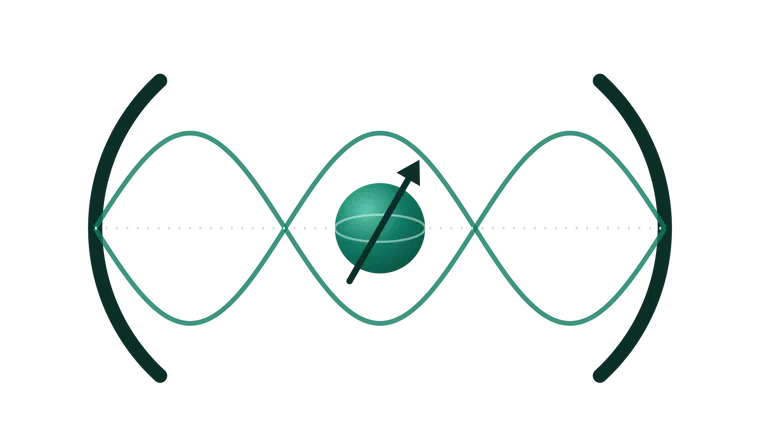
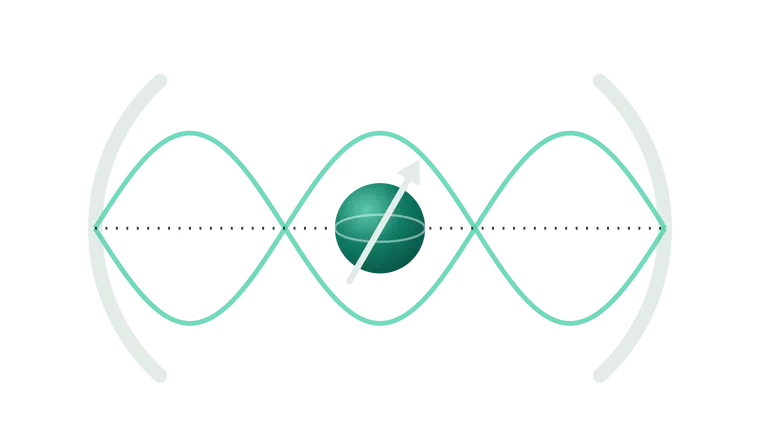
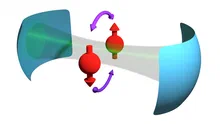
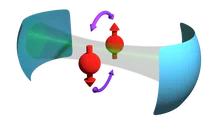
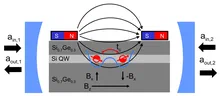
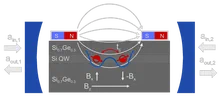
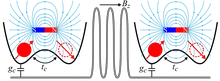
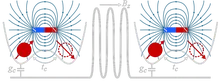
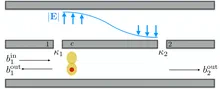
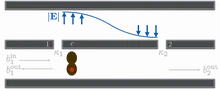
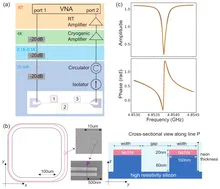
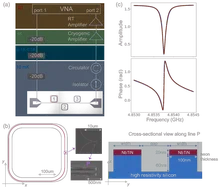
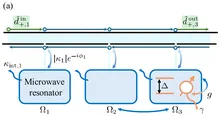
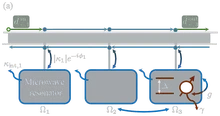
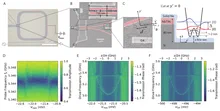
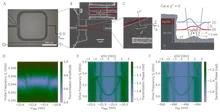
Light and matter exchange energy and information one quantum at a time. When a single electron spin sits close to a superconducting resonator, which confines microwave photons to a tiny volume, this exchange can become faster than any loss. In this regime of strong coupling, spin and photon merge into one hybrid quantum system, which gives spin qubits a way to talk over long distances: a photon can carry quantum information between spins far apart on a chip, mediate two-qubit gates, and read out the qubit state without destroying it.
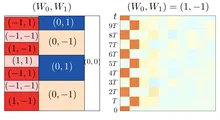
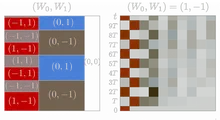
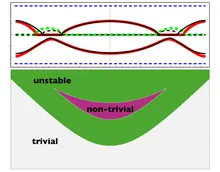
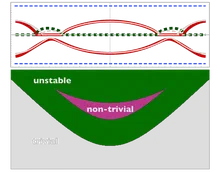
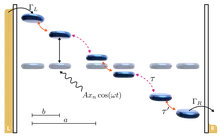
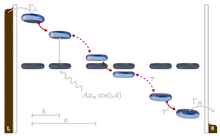
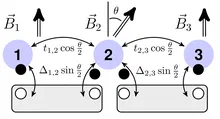
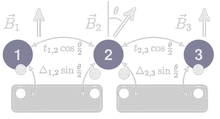
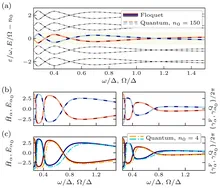
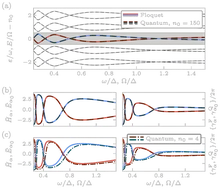
Light can also act as a classical field that drives a system periodically in time. This Floquet engineering creates effective interactions and phases of matter that a static system cannot have, such as Floquet Majorana modes, and it is the theme of my Emmy Noether group, which uses driving to make spin qubits more robust. We also develop the tools to describe driven systems, such as closed-form effective Hamiltonians, available as the open-source tool SymPT, and study how classical driving emerges from fully quantized light.
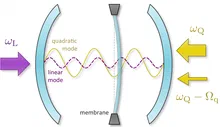
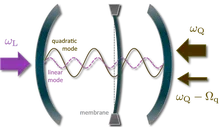
Further topics range from spin–photon coupling in silicon and new platforms such as electrons on solid neon to several cavities coupled to one spin ensemble, and optomechanical systems, where light couples to the vibrations of a membrane.